
OnlyFans free pages remove the fixed monthly charge but replace it with something harder to predict. Subscribers who choose no-subscription access often discover that pay-per-view messages, paid chat, and tips produce a monthly total that varies widely and is difficult to forecast. This article explains why that happens, how to track it, and how to keep variable spending under control. Ranking sites such as BestOnlyFans exist partly because the platform offers no built-in directory, which means cost research happens outside the app.
The core problem is structural. A subscription has one price, charged once, visible before purchase. A free page has dozens of small decision points, each cheap enough to feel trivial and each invisible in the moment. By month’s end the sum can exceed a mid-range subscription without the subscriber noticing the accumulation.
The Psychology of Variable Versus Fixed Costs
Fixed costs are evaluated once. A subscriber sees a $9.99 monthly price, decides it is acceptable, and stops thinking about it. Variable costs are evaluated repeatedly, and each evaluation is small. A $6 PPV unlock does not trigger the same mental accounting as a $9.99 commitment, even though ten $6 unlocks cost six times as much.
This is not accidental design. Per-item pricing exploits the tendency to judge purchases in isolation rather than in aggregate. The question “is this worth $6?” almost always answers yes. The question “is this page worth $60 this month?” would answer no, but nobody asks it because the number never appears.
Frequency compounds the effect. Free pages generate more contact opportunities: mass PPV messages, chat windows, tip prompts, and limited-time offers. Each interaction is a fresh decision. A subscriber facing one decision per month behaves differently from one facing fifteen.
Concrete tip: before unlocking any PPV message, multiply its price by the number of messages that creator sent you in the past seven days. That figure is your realistic weekly exposure, not the single $6 charge.
Common Spending Categories on Free Pages
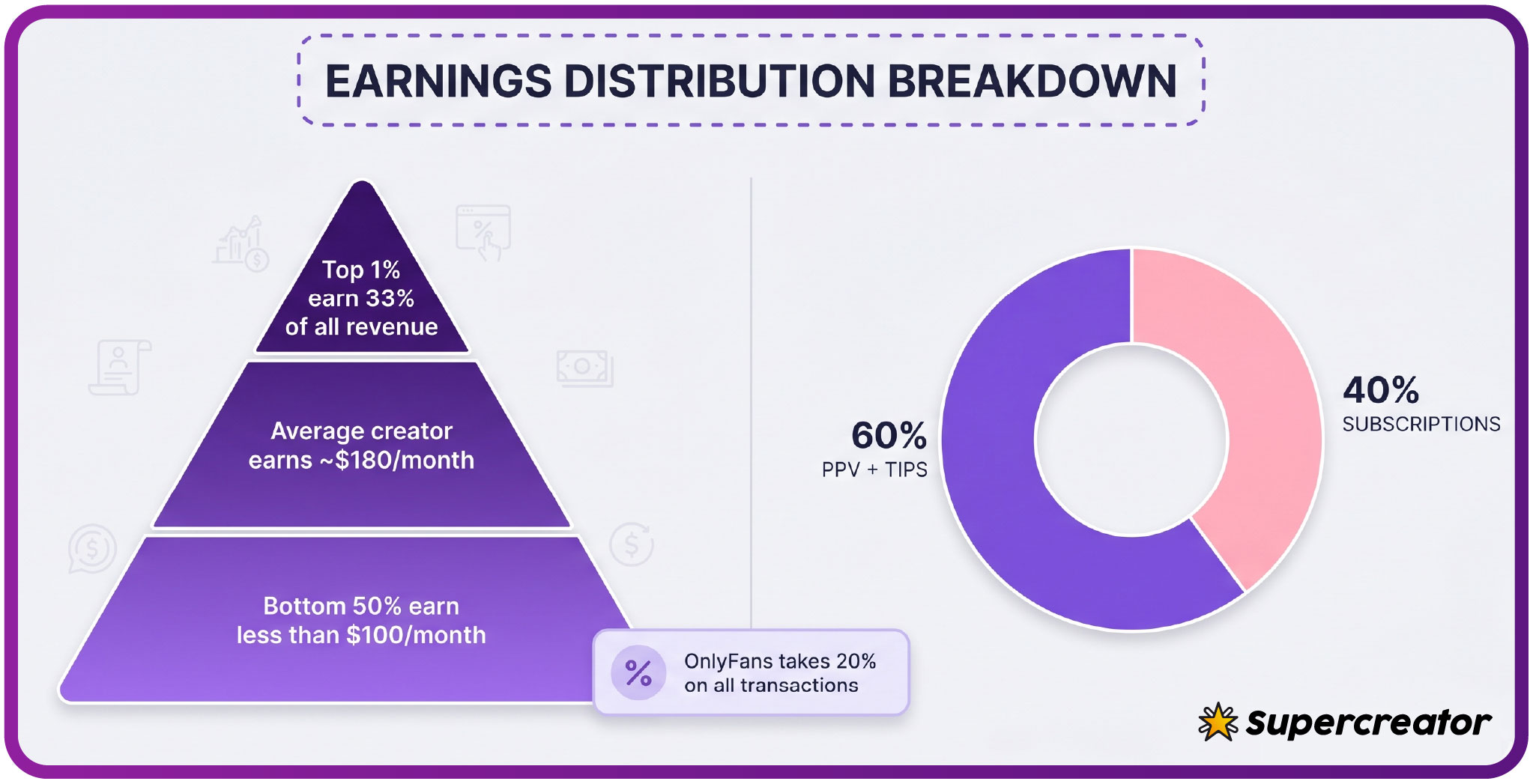
Money on a free page flows through a small number of channels. Understanding them makes tracking easier because you know what to look for in your statement. The platform fee is 20% on everything, so creators keep 80% — useful context when judging whether a price is normal.
- Individual PPV message unlocks, typically $3 to $50 per item
- Per-message chat fees, commonly $3 to $5 per message
- Spontaneity-driven tips, which can reach $100
- Custom photo or video requests, negotiated individually
- Live stream or voice call entry fees where offered
| Spending Type | Typical Range | Frequency Pattern |
|---|---|---|
| PPV message unlock | $3-$50 | Bursty; often several in one week, then none for weeks |
| Paid chat | $3-$5 per message | Session-based; a single conversation can run many messages |
| Tips | $5-$100 | Impulse-driven; correlates with new content drops |
| Custom requests | Negotiated | Rare but high value; usually planned in advance |
The distribution matters more than the average. A subscriber might spend $40 in a month across four small unlocks, then $120 the next month because one creator ran a promotion and a live event landed in the same week. Variance, not level, is what breaks budgets.
Manual Tracking Methods for PPV Expenditures
No single method captures everything, so the practical approach combines two or three. The goal is a running total you can check at any moment, not a perfect ledger.
- Screenshot each purchase immediately, including the timestamp on screen
- Enter the amount into a spreadsheet the same day with a running total column
- Review the calendar weekly and mark every day that had a purchase
- Reconcile against your bank or card statement at month end
- Calculate a rolling 30-day moving average to smooth out burst weeks
The screenshot step matters because transaction history inside the platform is not always convenient to review later. A dated image gives you a source record you control. The spreadsheet takes under a minute per entry and produces the aggregate figure that the platform never shows you.
The rolling average is the most useful single metric. It answers “what does this page actually cost me per month?” without being distorted by one heavy weekend or one quiet fortnight.
Platform Features That Obscure Total Spending
OnlyFans provides transaction records, but they are organised for individual verification rather than monthly review. Nothing in the standard interface presents a single figure for “what you spent on this page this month.”
- Transaction history is nested inside settings rather than surfaced on a dashboard
- Items appear individually, with no monthly aggregation by creator
- Wallet credit spending is separated from direct card charges
- Tips can be grouped into single line items that hide their count
- Notifications for charges can arrive after the decision window has closed

There is also the verification detail to account for: a $0.10 card verification hold appears on some statements, refunded within days. That is not spending, but it does appear in a bank feed and can confuse a manual tally if you do not label it.
The practical consequence is that subscribers who rely only on the platform’s own display will underestimate outflow. External tracking is not paranoia; it is the only way to get the number.
Setting Hard Limits in a Flexible Environment
Flexible spending needs rigid constraints, because willpower alone does not scale across dozens of small decisions. The most effective limits are structural: they remove the decision rather than asking you to resist it.
- Use a dedicated prepaid card with a fixed monthly load
- Install a browser extension that blocks purchases past a threshold
- Apply a 24-hour cooling-off rule to any message over $10
- Trigger a spending review whenever a week exceeds your weekly average
- Set alerts through a budgeting app that reads your card feed
The prepaid card is the strongest single measure. When the balance is gone, the spending stops, regardless of how persuasive a limited-time offer looks at 1am. It converts an open-ended budget into a closed one.
The cooling-off rule handles the impulse category specifically. PPV messages are designed to be acted on quickly, and a mandatory delay removes most of their force. If the content still seems worth buying tomorrow, the purchase was probably intentional.
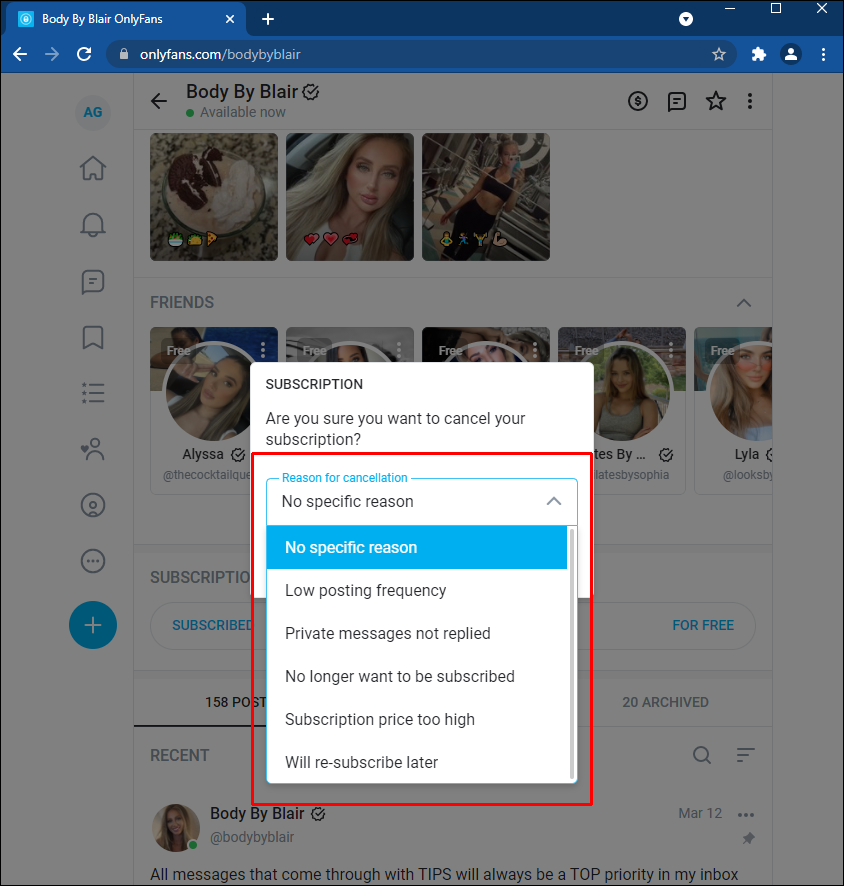
Note one platform behaviour that affects planning: when a creator raises their price, auto-renew stops and existing access lasts until the paid period ends. On free pages this is less relevant, but it matters when comparing free access against a paid alternative you might switch to later.
Monthly Reconciliation Practices
Reconciliation is where tracking becomes budgeting. Once a month, compare what you actually spent against what you expected, then adjust the next period deliberately rather than by feel.
| Reconciliation Step | Data Source | Action Threshold |
|---|---|---|
| Total monthly spend by page | Your spreadsheet running total | Any page above $30 triggers review |
| Verify against charges | Bank or card statement | Any unexplained line item triggers investigation |
| Compare to estimate | Prior month’s forecast | Variance over 25% triggers a limit adjustment |
| Count purchase days | Calendar marks | More than 12 days triggers a cooling-off review |
Variance analysis is the point. If you estimated $40 and spent $70, the cause matters: a one-off custom request is different from a pattern of nightly unlocks. The first needs no change; the second needs a stricter cap.
Make the adjustment explicit. Write down the new limit for the coming month and set the mechanism that enforces it. A limit with no enforcement is just a preference.
When Free Page Spending Exceeds Paid Subscriptions
At some point the arithmetic becomes clear: a free page costing $45 a month is more expensive than a paid subscription priced between $4.99 and $15, which is where most paid pages sit. Averages cluster around $5 to $10.
- Calculate your 90-day average spending on each free page you follow
- Identify fixed-price alternatives in the same content niche, typically $4.99-$15
- Compare whether the free page’s content volume justifies its variable cost
- Assess your ratio of impulse purchases to intentional ones
- If switching, handle cancellation carefully and note that access runs to the end of the paid period
Paid subscriptions also have a ceiling: $49.99 at the maximum, and promotional first months can sit below $4.99 as long as the base price does not. Free pages have no ceiling at all, which is precisely the risk.
This is also where broader research helps. Subscribers comparing options sometimes look at aggregated listings, including resources like free onlyfans georgia, to see price points across pages before committing attention to any single one.
BestOnlyFans Tools for Spending Prediction
Prediction is harder than tracking, because future PPV volume depends on creator behaviour you cannot see in advance. Aggregated pricing data narrows the uncertainty by showing typical price bands for pages in a given category.
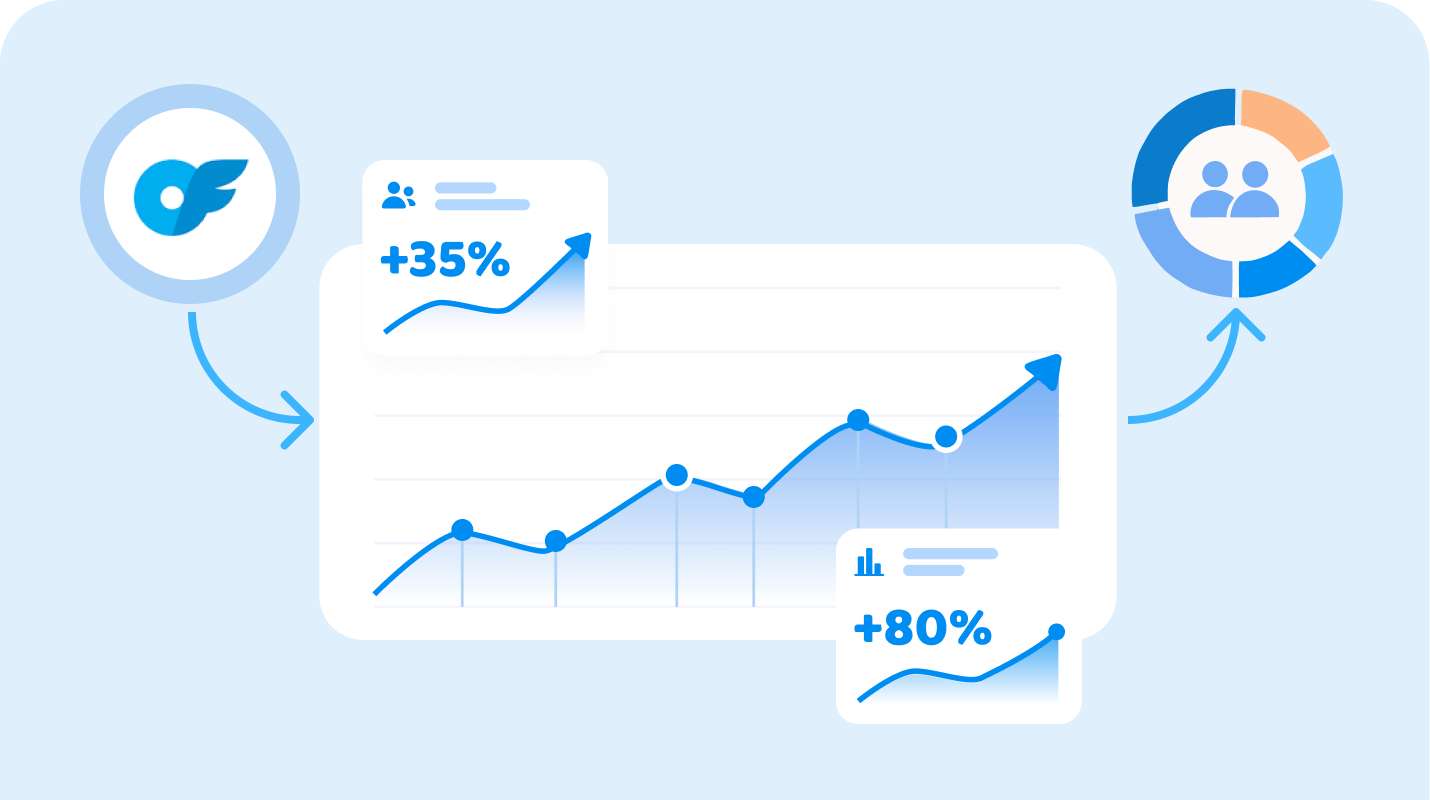
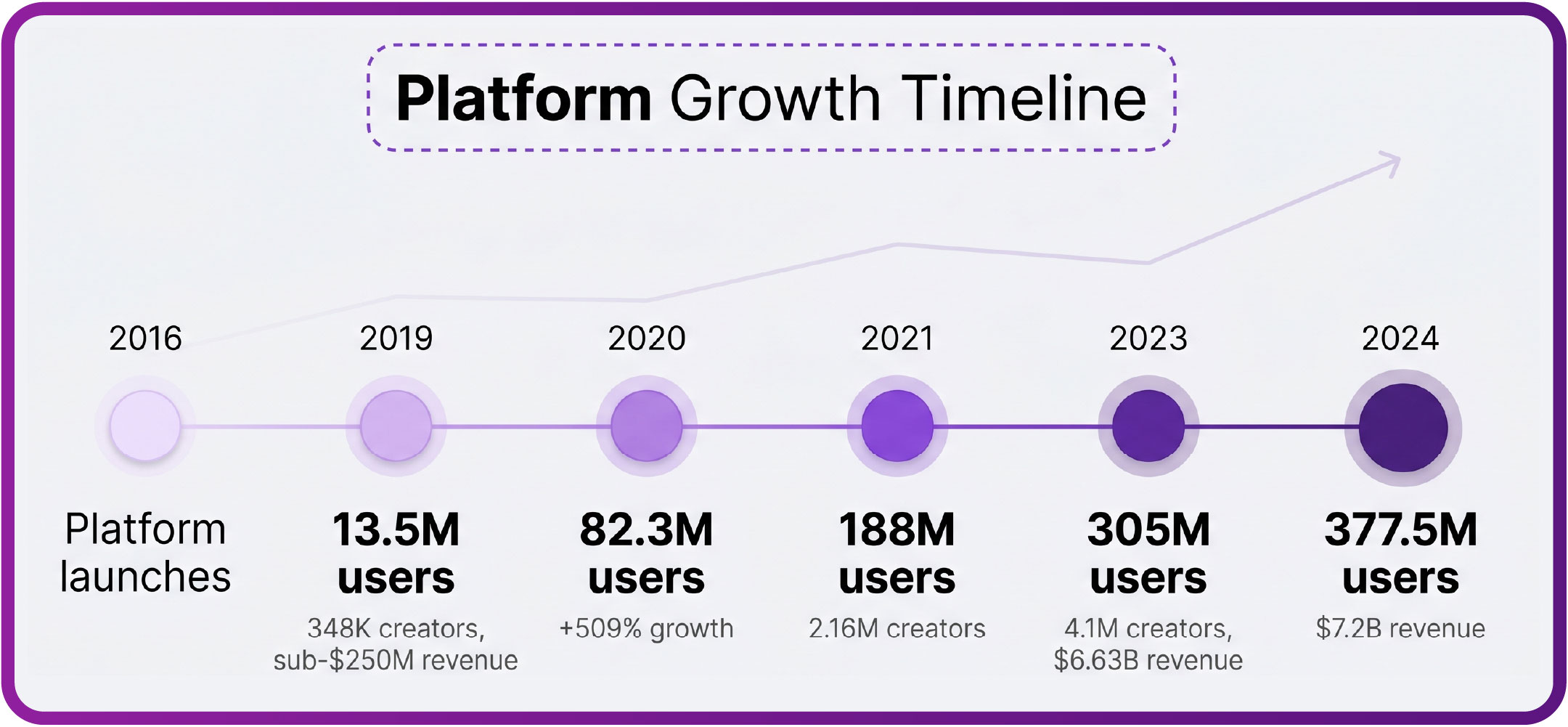
Cost research also benefits from platform context. The growth in user numbers over time explains why page counts expanded and why price variation widened across categories.
BestOnlyFans aggregates pricing and page information so subscribers can estimate a realistic monthly range before engaging. The estimate is not a guarantee, but a starting budget with a known typical band is far easier to hold than an open-ended intention.
FAQ
Why does my free page spending feel higher than my old subscription?
Because it usually is. A subscription presents one price you evaluate once. A free page presents many small prices you evaluate repeatedly, and the aggregate is never displayed. Add up a month of unlocks and the total often lands above the $4.99-$15 range where most paid pages sit.
Can I see my total monthly spending easily on OnlyFans?
Not as a single figure. Transaction history exists but lists items individually, separated by payment method, without monthly aggregation by creator. Getting a true monthly total requires external tracking through a spreadsheet or statement review.
What’s the most effective way to limit impulse PPV purchases?
A prepaid card with a fixed monthly load combined with a 24-hour delay on any purchase over $10. The card enforces the ceiling structurally, and the delay removes the urgency that PPV messaging depends on. Together they cut most unplanned spending.
How does the ranking site help predict costs for specific free pages?
It aggregates pricing information across pages so you can see typical price bands before engaging. That gives you a realistic monthly estimate to budget against, rather than discovering the cost after several weeks of unlocks and tips.